
Keyword research is the backbone of SEO. Without it, you write articles nobody searches for. With it, you can build a site with predictable, compounding traffic.
This guide breaks down keyword research so simply that anyone can start today.
Disclosure: Some links on this page are affiliate links. If you sign up through them, I may earn a commission at no extra cost to you.
Click Here For Your Free Trial: https://mangools.angeloautomationtools.com
What Is Keyword Research?
Keyword research is the process of finding the exact words and phrases real people search for on Google. Your goal is to find:
- Keywords you can rank for
- Keywords with real demand
- Keywords with low competition
- Keywords aligned with user intent
Choose the right keywords → you get traffic.
Choose the wrong ones → nothing happens.
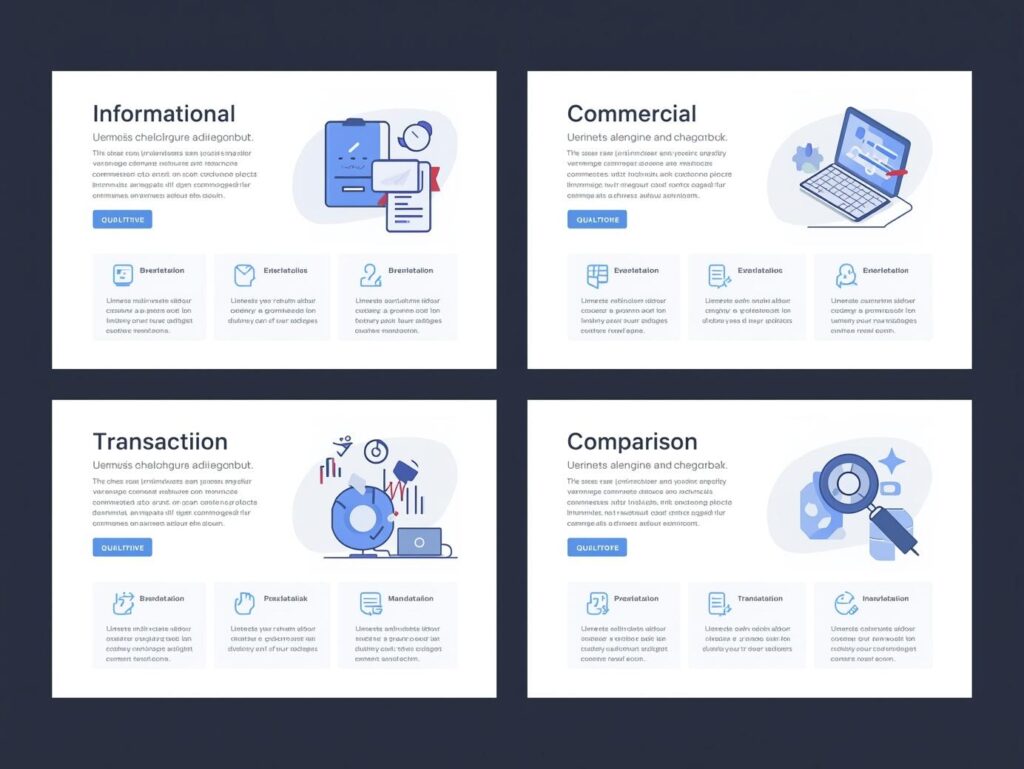
The Four Types of Keywords You Must Know
1. Informational Keywords
These start with:
- How to
- What is
- Why does
- Best way to
Perfect for tutorials and guides.
2. Commercial Keywords
These include:
- Best tools for
- Top software for
- Alternatives to
- Competitor name + review
These are high-converting.
3. Transactional Keywords
Examples:
- Buy _____
- Pricing for _____
- Discounts for _____
These signal intent to purchase.
4. Comparison Keywords
Examples:
- Tool A vs Tool B
- Best alternative to ____
- Tool A review
These convert extremely well.
Click Here For Your Free Trial: https://mangools.angeloautomationtools.com
How to Find Easy Keywords (Beginner Method)
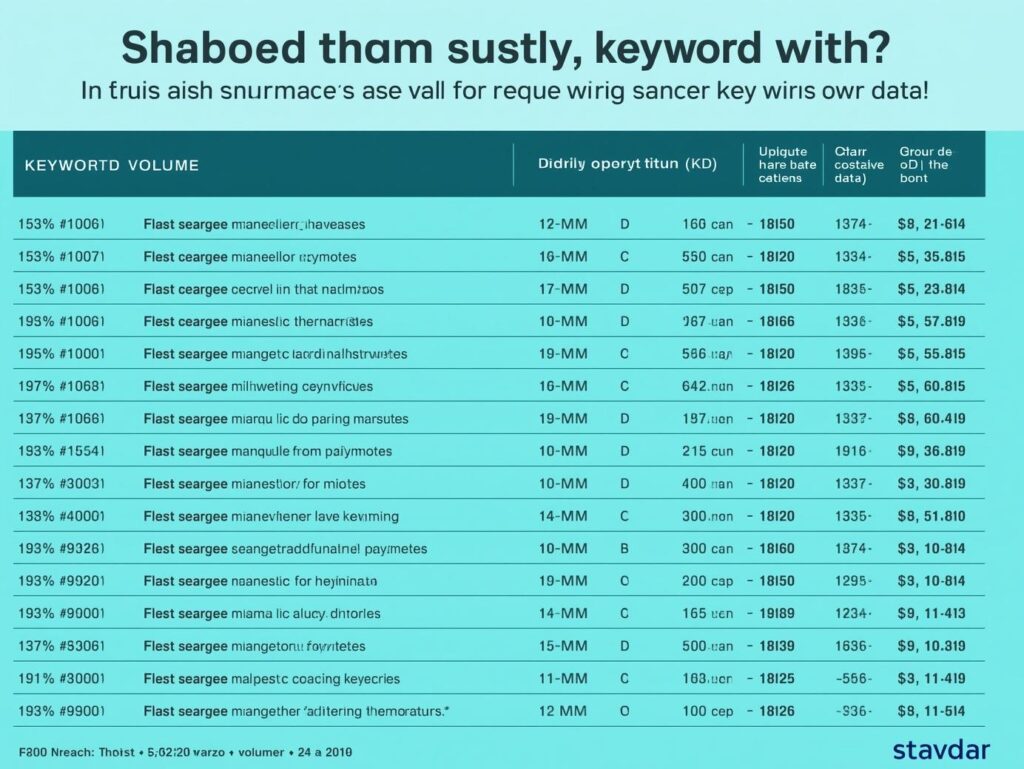
You’re looking for keywords with:
- Search volume: 30–1500
- Difficulty: under 25
- Clear intent
- Weak competitors
Plug keywords into your SEO tool and scan for low competition.
Ask yourself:
- Who currently ranks?
- Are they weak sites?
- Are the articles short?
- Is the content outdated?
If yes → rankable.
Building Keyword Clusters
You don’t want random articles.
You want strategic clusters.
Example cluster (fitness niche):
- How to lose belly fat
- Best diet for lean muscle
- Belly fat workouts
- Mistakes people make losing fat
- Foods that burn fat
- How to track calorie deficit
Google rewards clusters because they show authority.
Search Intent: The Critical Ranking Factor
If someone types:
“best shoes for walking”
They don’t want history, anatomy, or filler text.
They want product recommendations.
Match intent → rank faster.
How to Choose Winning Keywords (Checklist)
A keyword is worth targeting if:
- People search for it
- You can rank in top 10
- It aligns with your niche
- It leads to monetization
- It fits into a cluster
If it doesn’t hit these criteria, skip it.
Click Here For Your Free Trial: https://mangools.angeloautomationtools.com
Why Choosing Easy Keywords Grows Your Blog Faster
Beginners make the mistake of chasing:
- “Best credit card”
- “How to lose weight”
- “Business ideas”
These keywords are impossible to rank.
Low competition keywords give:
- Faster results
- Higher click-through
- More stable rankings
- Easier conversions
Stack small wins → massive traffic over time.

Publishing Strategy for Beginners
Publish:
- 3–5 articles per week
- 15–20 per month
- 150+ in a year
This is the formula that works in 2026.
Why Keyword Research Determines Your Income
Pick the right keywords →
Your blog becomes an asset that prints traffic for years.
Pick the wrong keywords →
Your blog becomes a graveyard of posts nobody reads.
Keyword research is the difference.